

When you think of European wine, your mind probably jumps straight to France or Italy and fair enough! But there’s a new wave of wine countries quietly making a name for themselves, with bold local grapes, passionate producers, and tasting experiences you won’t find anywhere else.
If you’re ready to go off the beaten wine path, here are 6 up-and-coming wine destinations in Europe to put on your travel list, including Bulgaria, the Netherlands, and Greece.
DISCLOSURE: This post contains affiliate links. If you make a purchase via one of those links, I will earn a commission at no extra cost for you.
1. Bulgaria – Ancient Wine Traditions, Reimagined
Region to explore: Thracian Valley, Melnik, North Bulgaria
Local grapes: Mavrud, Rubin, Gamza, Dimyat, Kadarka… There are actually 44 local grape varieties in Bulgaria!
Best for: Rustic charm, full-bodied reds, and archaeological wine heritage

Bulgaria is one of the world’s oldest winemaking regions, with roots going back to the Thracians. Today, boutique wineries are blending ancient knowledge with modern methods and the results are impressive.
In the Thracian Valley, you’ll sip spicy reds like Mavrud, a native grape with deep character. Head southwest to Melnik, a tiny town with sand-pyramids and its own grape, Melnik 55, known for earthy reds with a hint of spice. Or head to the North where you’ll find boutique wines with character produced the old-fashioned way. Many wineries offer tours with cellar tastings and food pairings.
Selected wineries to visit: Villa Melnik, Starosel, Yalovo
Getting there: Easy to access by car or bus from Sofia. Plovdiv and Veliko Tarnovo make a great wine base.
Read more: How to prepare for a trip to Bulgaria; Things to do in Veliko Tarnovo
2. The Netherlands – Cool Climate, Crisp Whites
Region to explore: Limburg, Gelderland
Must-try grapes: Johanniter, Solaris, Auxerrois, Cabernet cortis, Regent
Best for: Innovative winemaking, bike-to-vineyard tours, and sparkling wines
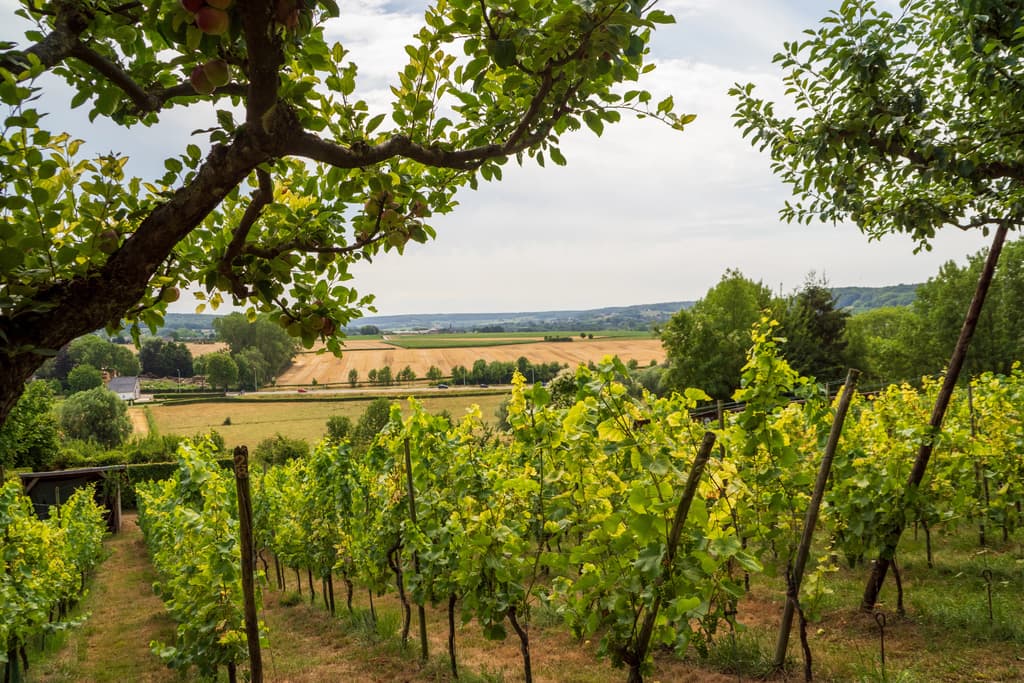
Yes, the Netherlands makes wine and it’s surprisingly good! Thanks to climate shifts and resilient hybrid grapes, Dutch vineyards are thriving in the cooler southern provinces.
Limburg is the heart of Dutch wine country, where rolling hills and medieval towns set the scene. Look for fresh whites made from Johanniter and Solaris, or light reds from Regent. Many wineries also produce Dutch sparkling wine using the traditional méthode champenoise. Bonus: You can cycle between vineyards with ease, often stopping for cheese and apple pie along the way.
Selected wineries to visit: Wijngaard St. Martinus, Domein Holset, Apostelhoeve; Betuws Wijndomein, Wijngaard Hesselink
Getting there: Maastricht and Arnhem are excellent jumping-off points with local vineyard trails.
Read more: One day in Maastricht, Things to do in Arnhem
3. Greece – Island Wines & Mountain Reds
Region to explore: Santorini, Naoussa, Nemea
Must-try grapes: Assyrtiko, Xinomavro, Agiorgitiko, Moschofilero… There are more than 40 local varieties!
Best for: Volcanic whites, sun-drenched vineyards, and sea views
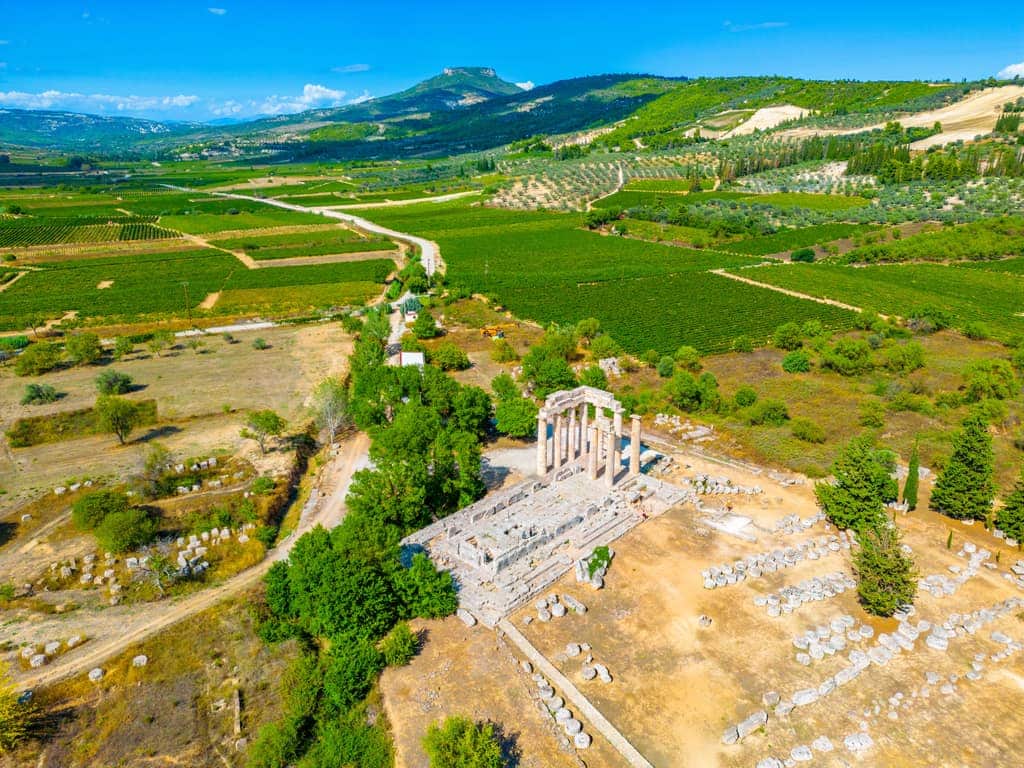
Greece is having a wine renaissance. With hundreds of indigenous grape varieties and dramatic landscapes, every glass tells a story of terroir and tradition.
In Santorini, vines grow in volcanic soil and are trained in circular baskets to resist wind. Try a mineral-rich Assyrtiko while watching the sunset. For bold reds, head north to Naoussa for structured, age-worthy Xinomavro, or visit Nemea in the Peloponnese for velvety Agiorgitiko.
Selected wineries to visit: In Noussa: Ktima Kir-Yianni, Dalamara Estate; On Santorini: Domaine Sigalas, Artemis Karamolegos Winery; On Peloponnese: Venikos, Ktima Bairaktaris
Getting there: Santorini has direct flights and ferries. Thessaloniki and Athens are great hubs for northern and southern vineyards. In Peloponnese you can fly directly to Kalamata.
Read more: What to in Athens; Road tripping in Peloponnese
4. Slovenia – Alpine Wines with Italian Flair
Region to explore: Goriška Brda, Vipava Valley
Must-try grapes: Rebula, Zelen, Teran
Best for: Natural wines, alpine-meets-Mediterranean charm, and intimate tastings
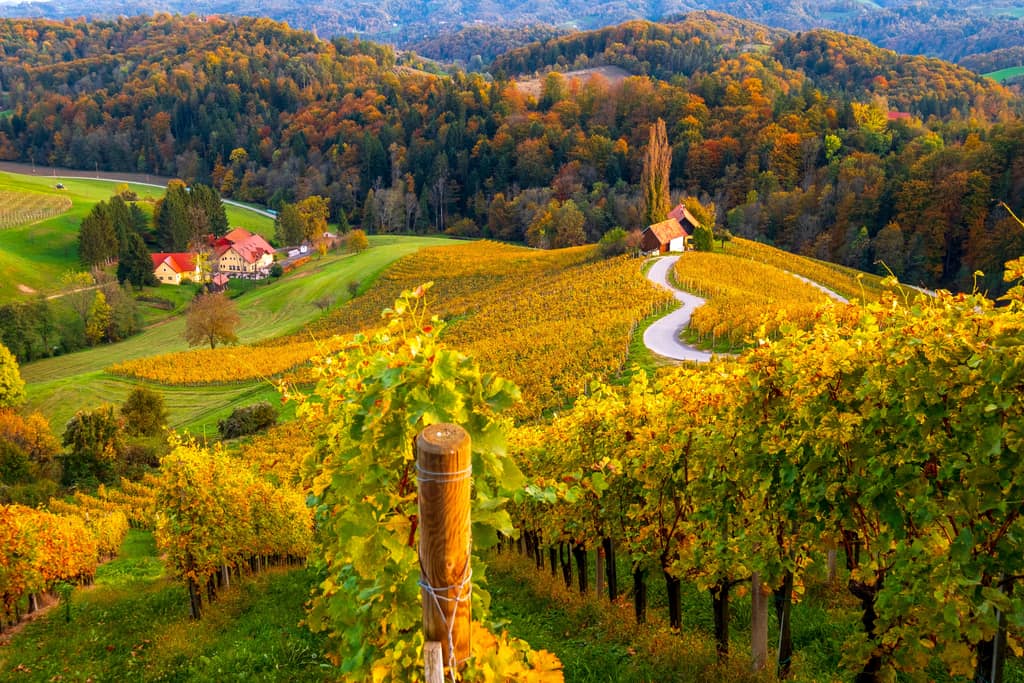
Tucked between Italy and Austria, Slovenia is one of Europe’s most exciting small wine countries. The Goriška Brda region is nicknamed “Slovenian Tuscany” for good reason—rolling hills, stone villages, and sun-soaked vines.
Local varietals like Rebula (crisp white) and Teran (earthy red) shine here, and many wineries practice organic or natural winemaking. Wine tastings are often hosted by the winemakers themselves, in their homes or family-run cellars.
Selected wineries to visit: Lepa Vida Winery, Petrič Winery; Hiša Štekar, Zalatel Winery, Klet Brda Winery
Getting there: Easy to reach from Ljubljana or Venice. Rent a car to explore freely.
5. Romania – Bold Reds & Fairytale Scenery
Region to explore: Dealu Mare, Transylvania
Must-try grapes: Fetească Albă, Fetească Neagră, Băbească neagră, Tămâioasă Românească
Best for: Deep reds, dessert wines, and vineyard castles
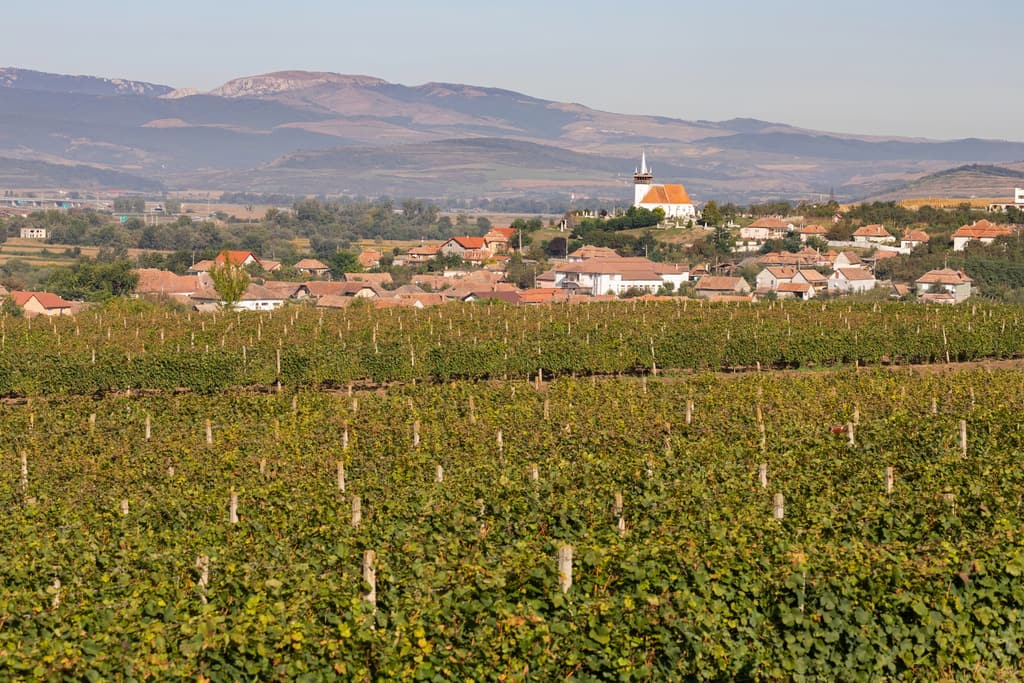
Romania’s wine scene is growing fast, and locals are reviving old grape varieties with passion. Fetească Neagră is the country’s signature red—plummy, smoky, and full of character. You’ll also find crisp whites and sweet Muscat-style wines from Tămâioasă Românească.
The Dealu Mare region, just north of Bucharest, is packed with scenic estates and emerging wine tourism experiences. Transylvania, known for its medieval towns, offers a cooler climate and a growing number of organic producers.
Selected wineries to visit: In Dealu Mare: Davino Winery, Domeniul Strehan; in Transylvania: Domaine Takacs
Getting there: Bucharest and Brașov are top hubs with vineyard day trips and wine routes.
Read more: What to do in Transylvania; How to spend a weekend in Bucharest
6. Czech Republic – Wine Beyond Beer
Region to explore: South Moravia
Must-try grapes: Müller-Thurgau, Grüner Veltliner, Frankovka, Pálava
Best for: Wine cellars in villages, folklore festivals, and light aromatic wines
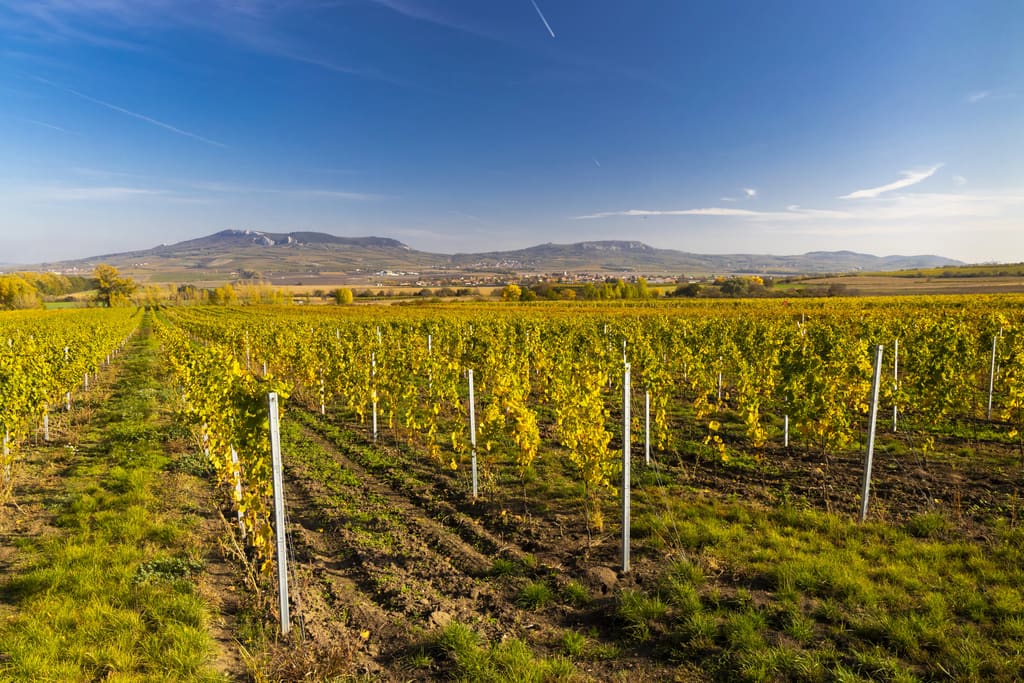
The Czech Republic is often overshadowed by its beer culture, but its southeastern region of Moravia is a wine lover’s secret. Expect aromatic whites like Müller-Thurgau and Grüner Veltliner, and soft reds like Frankovka (Blaufränkisch).
Villages like Mikulov and Znojmo are filled with wine cellars (called sklepy), where locals host informal tastings. Come in September for wine festivals filled with music, dancing, and grape stomping.
Selected wineries to visit: Válka Winery, Jindrovo Vinarstvi, Laurent Šatov Winery
Getting there: Trains from Prague to Brno or direct to Mikulov make wine day trips easy.
Read more: How to spend a weekend in Brno
Ready to Explore Europe’s Hidden Wine Gems?
From the volcanic slopes of Santorini to the cool vineyards of the Netherlands, these lesser-known wine countries prove that Europe has much more to offer beyond the classics. Whether you’re after crisp whites, bold reds, or just a scenic vineyard to relax in—these regions are full of surprises (and good pours).
Which of these countries is next on your wine travel wishlist? Let me know in the comments or share your favorite under-the-radar wine find!
